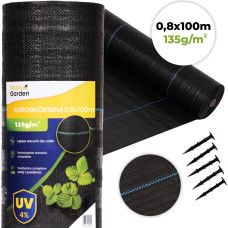
FAQ – FREQUENTLY ASKED QUESTIONS
What weight of agro fabric is best?
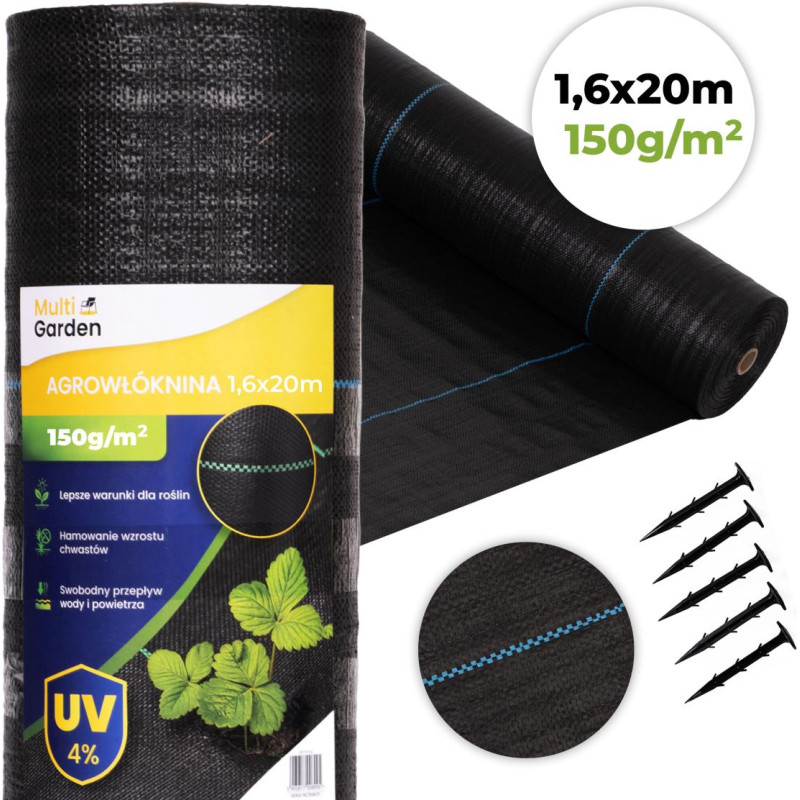
The best weight depends on the intended use and expected durability. For mulching flower beds, vegetable gardens, and plantings, higher-weight materials are often chosen as they perform better during long-term use and in demanding conditions. Thicker variants provide greater durability, better weed protection, and a longer lifespan, making them especially recommended for shrubs, thuja, fruiting plants, as well as garden paths and walkways.
Can it be used under bark or stones?
Yes, this is one of the most common uses for this type of mat. The agro fabric can be placed under pine bark, gravel, grit, or decorative stones, where it creates a separating layer between loose material and the soil while limiting weed growth.
Where is it best used?
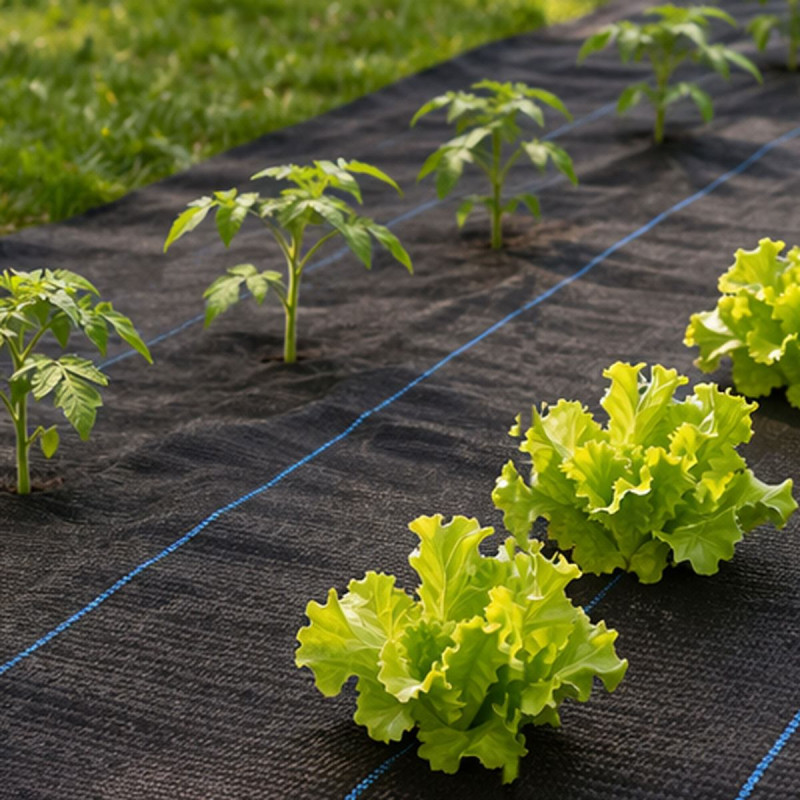
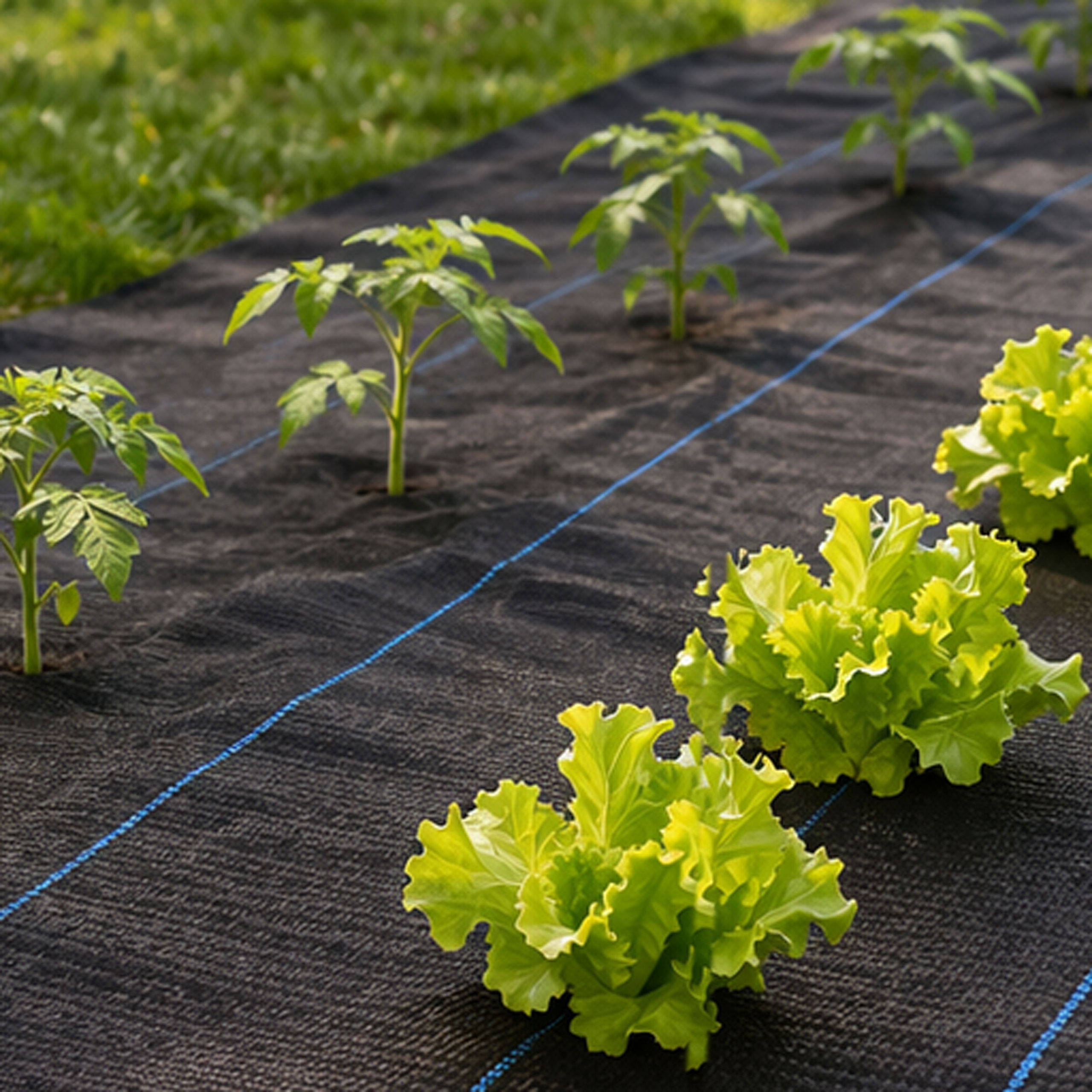
The mulching agro fabric has a wide range of applications. It can be used on ornamental beds, in vegetable gardens, under shrubs, thuja, trees, and fruiting plants. It also works well as a protective layer on garden paths and walkways. It is a practical solution for both home gardens and more intensive cultivation.
How to properly lay agro fabric?
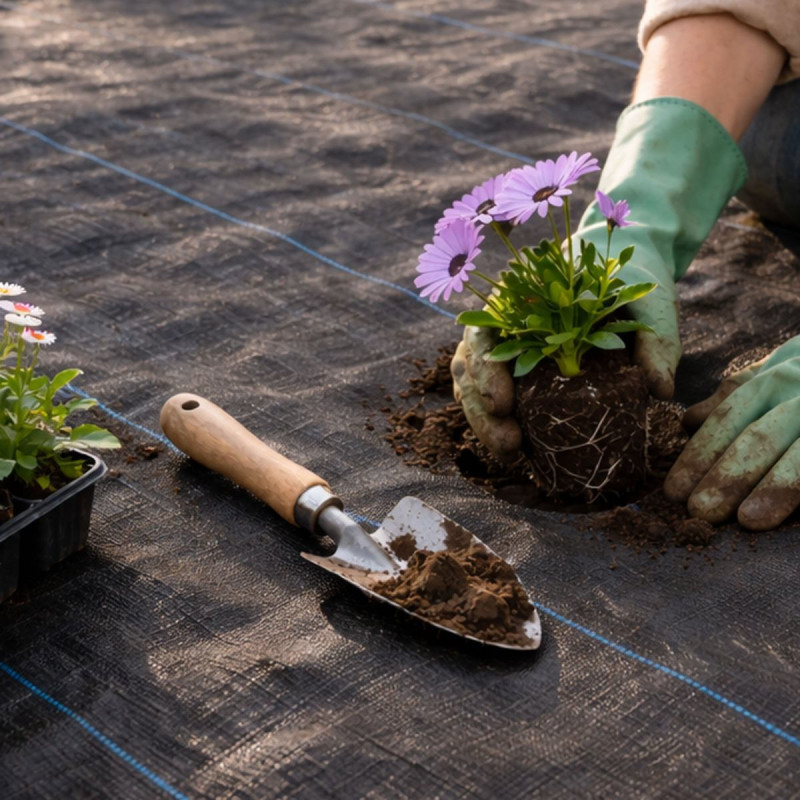
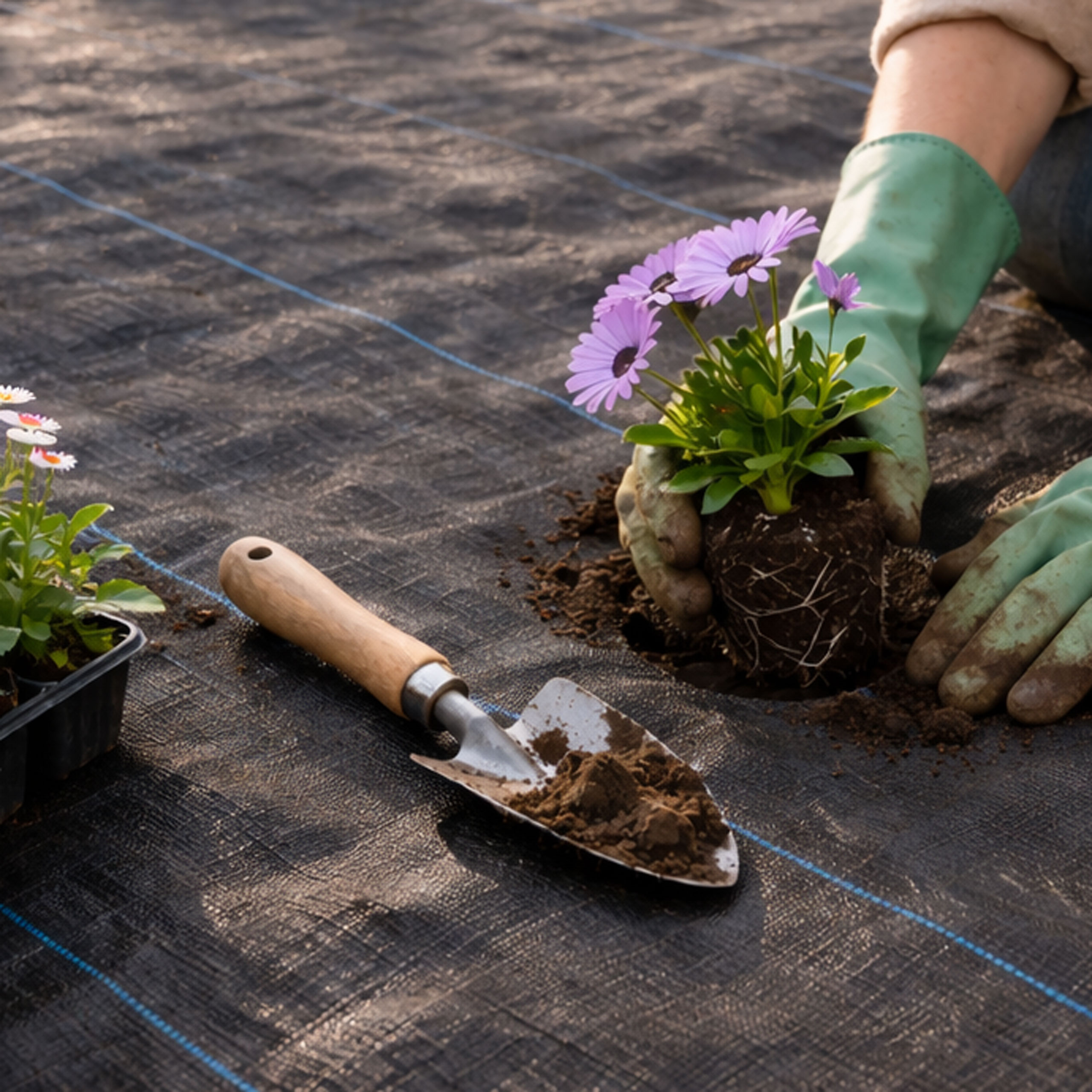
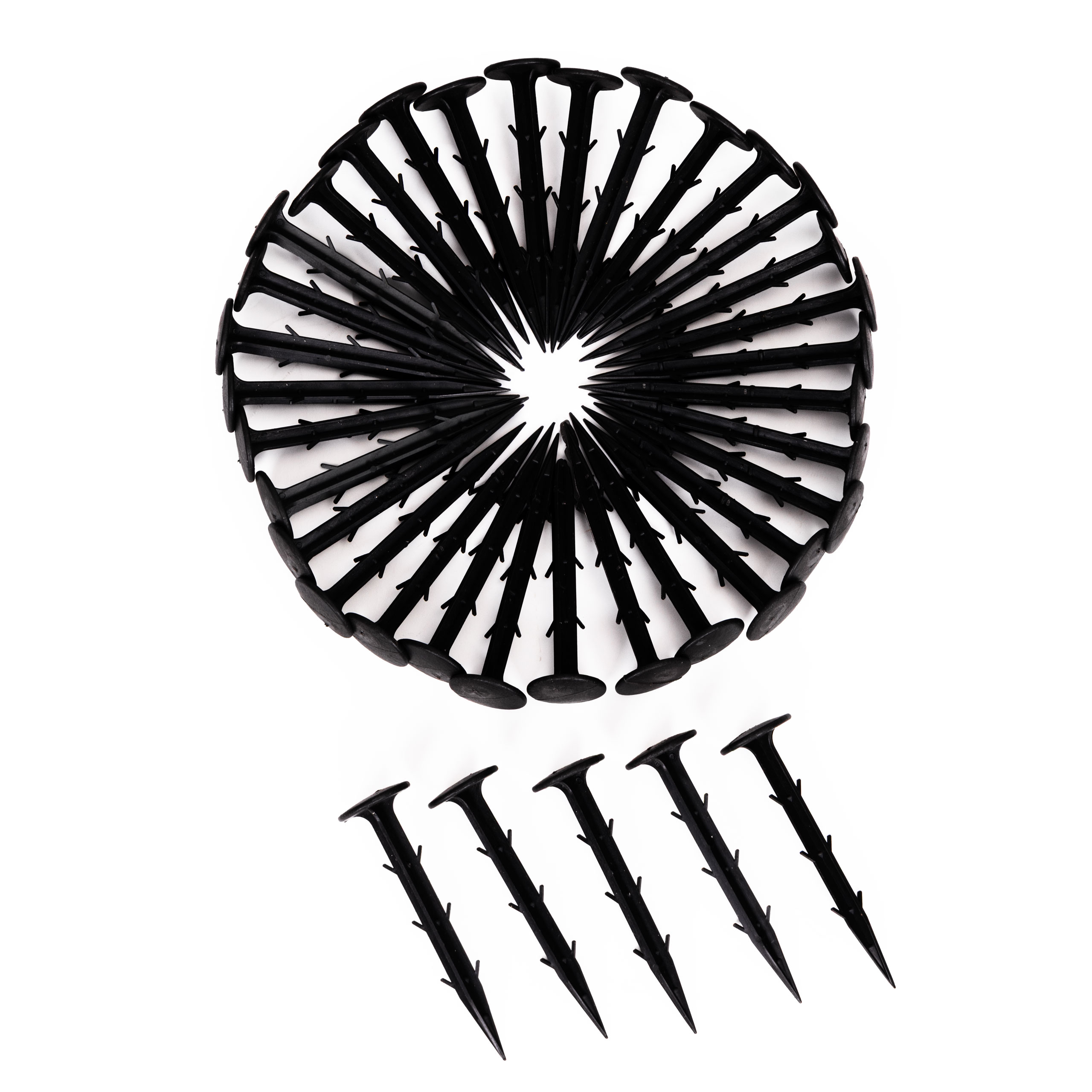
Before laying the mat, prepare the ground by removing weeds and leveling the soil surface. Then spread the agro fabric in the planned area and secure it to the ground using pins. After fixing, you can make openings for plants and, if needed, cover the mat with bark, stones, or other decorative material.
How to cut holes for plants?
Openings for seedlings are best made using a knife, scissors, or another sharp tool. A cross-shaped cut is most commonly used, as it makes planting easier and allows better adjustment of the material around the stem or trunk. This ensures the mat continues to effectively limit weed growth around plantings.
 Aksesuāri sievietēm
 Aksesuāri vīriešiem
 Darba apģērbi
 Piederumi apaviem
 Sieviešu apavi
 Sievietēm
 Vīriešiem
 Vīriešu apakšveļa
 Vīriešu apavi
 Akumulatori un lādētāji
 Audio tehnika
 Auto kosmētika
 Citas auto preces
 Logu tonēšanas plēves
 Radio sakari
 Salonam
 Video reģistrators
 Apģērbs
 Apģērbs meitenēm
 Apģērbs zēniem
 Apģērbs zīdaiņiem
 Aplikācijas, rotājumi, uzlīmes
 Autosēdekļi
 Bērnistabai
 Bērnu aksesuāri
 Bērnu apavi
 Bērnu barošanai
 Bērnu mūzikas instrumenti
 Bērnu podiņi
 Bērnu pudelītes un to aksesuāri
 Bērnu rati un aksesuāri
 Bērnu rotaļu laukumi, mājiņas
 Bērnu šūpuļkrēsliņi
 Bērnu ziemas apavi
 Galda futbols
 Galda spēles
 Higiēna un veselība
 Izšūšanas piederumi
 Kolekcionējamas kartiņas
 Kosmētika
 Krāsojamās grāmatas
 Lampas bērnu istabai
 Mazuļa nospiedumi
 Mikroskopi
 Modelēšanas un zīmēšanas piederumi
 Pasaules kartes
 Penāļi
 Pudelīšu sildītāji un sterilizatori
 Puzles, 3D puzles
 Radošās rotaļlietas
 Ratiņi
 Rotaļlietas
 Rotaļlietas zīdainim
 Rotu veidošana, pērļošana
 Skolas somas
 Slidkalniņi, kāpšanas konstruktori
 Slingi, ķengursomas
 Šūšanas piederumi
 Tamborēšana
 Trīsriteņi
 Ūdens, smilšu un pludmales rotaļlietas
 Ziemas apģērbs bērniem
 Apģērbi un apavi
 Āra apgaismojums
 Atkritumu konteineri
 Augsnes un mēslojumi
 BIO tualetes un sanitārie šķidrumi
 Darba rīki
 Dārza dekori
 Dārza dīķi un piederumi
 Dārza instrumenti
 Dārza labiekārtošanai
 Dārza mēbeles
 Dārza novietnes un kastes
 Dārza tehnika
 Grili un to piederumi
 Ķerras
 Komposta kastes
 Laistīšanas ierīces
 Līdzekļi pret kaitēkļiem un insektiem
 Nojumes
 Puķu podi
 Siltumnīcas
 Šūpoles
 Zālāju un citas sēklas
 Žogi
Žogi 3D printēšana
 Biroja piederumi un kancelejas preces
 Datorspēles
 Datorspēļu suvenīri
 Datoru komponentes
 Datu nesēji
 Gaming aksesuāri
 Izejmateriāli printeriem
 Multimēdija
 Personālie datori un monitori
 Piederumi
 Planšetdatori, E-grāmtu lasītāji un piederumi
 Portatīvie datori un aksesuāri
 Printeri, kopētāji, skeneri
 Programmatūra
 Projektori un piederumi
 Serveri un serveru komponentes
 Spēļu konsoles un aksesuāri
 Tīkla iekārtas
 Valūtas detektori
 Citas oriģinālas dāvanas
 Dāvanu saiņošanas materiāli
 Karnevāla tērpi, maskas
 Oriģinālas krājkasītes
 Akumulatori fotokamerām
 Apgaismojums fotografēšanai
 Citi piederumi fotokamerām
 Digitālās fotokameras
 Filtri
 Fotokameru lādētāji
 Momentfoto kameras
 Objektīvi
 Somas fotokamerām
 Aizkari
 Apgaismojums
 Apkure
 Durvis
 Interjers
 Klimata iekārtas
 Mājokļa drošībai
 Medicīniskā aprūpe
 Moskītu tīkli
 Paklāji un kājslauķi
 Seifi
Seifi Trauki
 Virtuves piederumi
 Ēstuvēm un krogiem
 Galda un virtuves piederumi
 Miskastes
 Preces saimniecībai un uzkopšanai
 Tīrīšanas līdzekļi un atkaļķotāji
 Tīrīšanas līdzekļi un piederumi
 Trauki, glāzes un pannas
 TV veikala preces
 Tvaika tīrītāji, grīdas mazgāšanas ierīces
 Bērnu mēbeles
 Biroja mēbeles
 Guļamistabai
 Mēbeles skaistumkopšanas saloniem
 Mēbeļu furnitūra
 Priekšnama mēbeles
 Skapīši viesistabai
 Vannas istabas mēbeles
 Viesistabai
 Virtuves mēbeles
 Aksesuāri mobilajiem un viedtelefoniem
 Apple produkti
 GPS izsekotāji
 Telefoni, viedpulksteņi
 Moto apģērbs
 Citi mērinstrumenti, piederumi
 Darba apģērbs un apavi
 Darbarīki
 Elektroinstrumenti
 Instrumenti
 Kanalizācijas caurules, pieslēgumi
 Santehnika
 Tapetes
 Iebūvējamā sadzīves tehnika
 Lielā sadzīves tehnika
 Mājai - mazā sadzīves tehnika
 Piederumi sadzīves tehnikai skaistumam
 Virtuvei - mazā sadzīves tehnika
 Ķermenim
 Matiem
 Sievietei
 Veselībai
 Vīrietim
 Dāvanu komplekts
 Dekoratīvā kosmētika
 Dušas želejas, eļļas
 Higiēnas preces
 Matu kopšanas līdzekļi
 Parfimēta sieviešu kosmētika
 Parfimēta vīriešu kosmētika
 Šampūni
 Sauļošanās krēmi
 Sejas ādas kopšana
 Sejas kopšanas līdzekļi
 Sejas krēmi
 Testeri
 Zobu pastas, birstes
 Smaržas sievietēm
 Vīriešu smaržas
 Mājas aromāti
 Basketbols
 Citi sporta veidi
 Florbols
 Futbols
 Galda teniss
 Inventārs sporta zālēm
 Ķermeņa daļu fiksatori
 Masāžas piederumi
 Pedometri, hronometri, sirds ritma monitori
 Skrejriteņi
 Skriešanai
 Somas, apavi un apģērbs
 Sporta aksesuāri
 Sporta uzturs un preparāti
 Sports un atpūta svaigā gaisā, spēles
 Teniss
 Trenažieri un fitness
 Ūdens sports
 Velosipēdi un piederumi
 Volejbols
 Ziemas sports
 Alpīnisma inventārs
 Aukstuma somas, aukstuma kastes un aukstuma elementi
 Laivas un makšķerēšana
 Tūrisma apģērbs un apavi
 Tūrisma GPS un citas tehniskās ierīces
 Tūrisms un ceļošana
 Ugunskura katli, trauki un galda piederumi
 Audio aparatūra
 Droni
Droni Mūzikas instrumenti un piederumi
 Sporta kameras
 Televizori un piederumi
 TV kronšteini
 Video aparatūra
 Video un audio tehnika
 Videokameras
 Grauzējiem
 Kaķiem
 Kosmētiskie līdzekļi dzīvniekiem
 Suņiem
 Transportēšanas būri, somas
 Zivīm
Zivīm